
Last Updated & Revised: July 2026 by Patrick Wanis, PhD
In the 2003 movie Anger Management, Jack Nicholson plays Dr. Buddy Rydell, a therapist helping Dave Buznik (Adam Sandler). In one scene, Nicholson tries to tempt Sandler into hitting on a woman at a bar. Sandler, who is in a committed relationship, famously replies: “Flirting is cheating’s first cousin, Buddy!”
But is it?
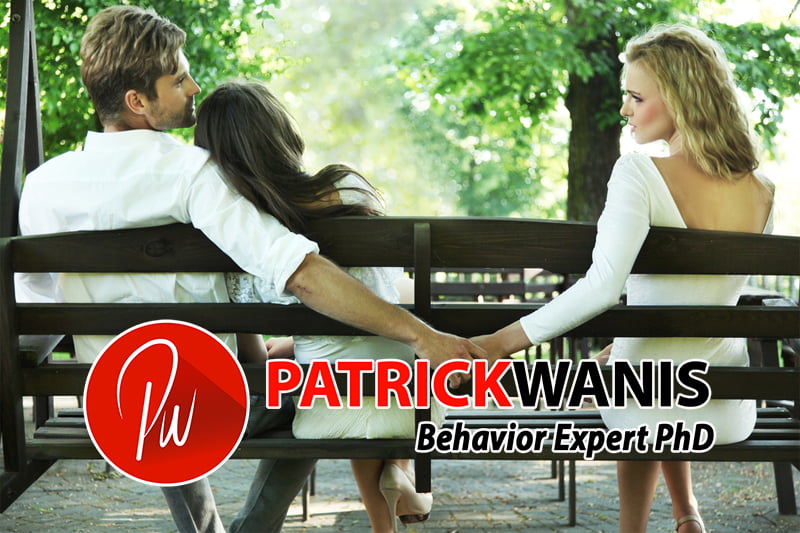
What actually constitutes cheating today? Is it strictly physical—like kissing or sleeping with someone else—or do modern betrayals happen long before physical contact ever occurs?
In today’s hyper-connected world, infidelity has evolved beyond physical intimacy. We now face emotional cheating, micro-cheating, and digital intimacy, where boundaries are continuously blurred behind screens, encrypted messaging apps, and late-night social media interactions.
Take the quiz below, and then compare your answers with my psychological breakdown, explanations, and reasoning.
The Cheating Quiz: Where Do You Draw the Line?
| Scenario | YES | NO |
| 1. You French kiss a co-worker at an office party? | ||
| 2. You kiss a performer or dancer at a bachelor/bachelorette party? | ||
| 3. You (a woman) kiss another woman casually or at a party? | ||
| 4. You consume adult content or porn on a regular, habitual basis? | ||
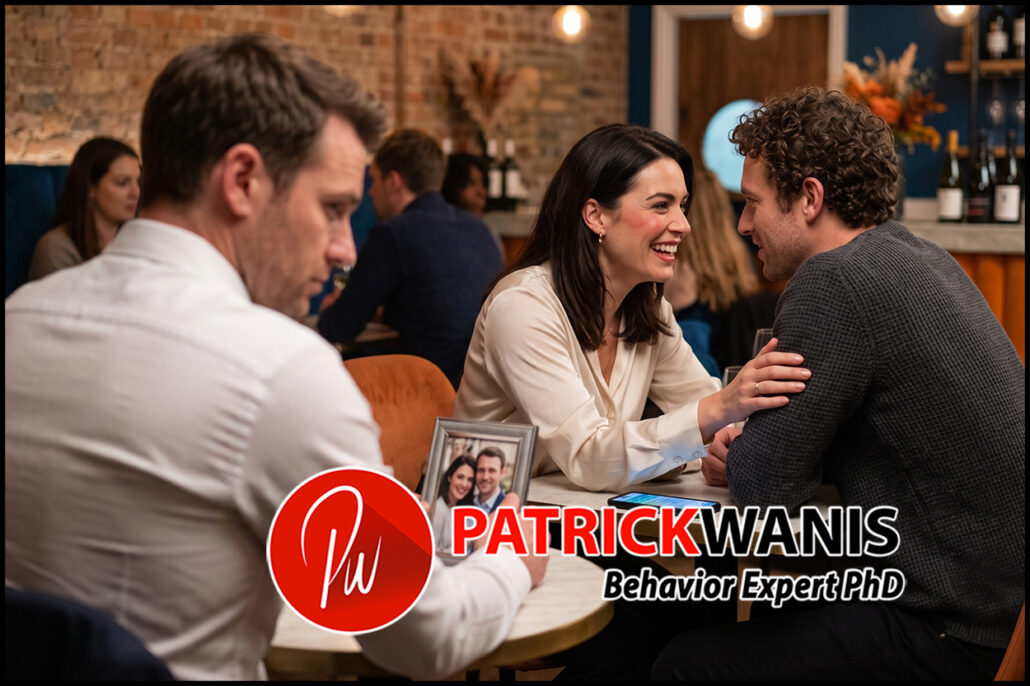
| 5. You go out for a one-on-one dinner with someone you know is attracted to you? | ||
| 6. You engage in explicit phone, text, or video cybersex with someone else? | ||
| 7. You regularly send private direct messages (DMs) or flirtative texts to an attractive acquaintance? | ||
| 8. You vent about your primary partner’s flaws or sexual dissatisfaction to a close friend of the preferred sex? | ||
| 9. You use privacy features (like disappearing messages, locked folders, or hiding apps) to conceal conversations with someone? | ||
| 10. You have sex with someone else while on an unstructured “break” from your relationship? | ||
| 11. You are in an agreed-upon “casual but sexually exclusive” relationship, but you continue dating others without having sex? | ||
| 12. You secretly communicate with an ex-partner without your partner’s knowledge? | ||
| 13. You undress and put your intoxicated friend to bed? | ||
| 14. You sunbathe topless on a beach with a group of friends? | ||
| 15. You visit a nude beach? | ||
| 16. You dirty dance, grind, or engage in sensual physical dancing with a stranger or friend? |
Defining the Boundaries: Deception vs. Intimacy
While traditional definitions of cheating focus strictly on sexual unfaithfulness, the psychological core of cheating is deception, secrecy, and the erosion of emotional trust.
In any committed relationship, boundaries must be explicitly negotiated and mutually agreed upon. For some couples, casual flirting or social transparency is completely acceptable; for others, it feels like a profound breach of trust.
When you engage in secret emotional investments, you are participating in emotional triage—transferring the emotional intimacy, vulnerability, and validation that belong in your primary relationship into an outside connection. Read more about emotional cheating and its impact on marriages.
Let’s analyze each scenario through a psychological lens:
The Psychological Breakdown
1. French kissing a co-worker at an office party
YES — It is cheating.
Kissing is rarely just a physical act; it triggers powerful neurochemical responses (dopamine and oxytocin) that foster emotional bonding. In a workplace setting, it also introduces a breach of personal integrity and professional boundaries.
2. Kissing a performer at a bachelor/bachelorette party
YES — It is cheating.
A party or custom does not grant a temporary pass from moral commitment. True commitment begins when you choose to dedicate yourself to a partner, not merely when a marriage certificate is signed.
3. A woman kissing another woman
YES — It is cheating.
Intent and emotional weight define the act, regardless of gender. Minimizing same-sex kissing as “harmless” or “for show” invalidates the real intimacy involved in the act.
4. Watching adult movies/content on your own
IT DEPENDS — It becomes cheating when it creates emotional detachment or replaces real intimacy.
While casual consumption may not involve another physical person, habitual or compulsive use creates false expectations, alters reward pathways in the brain, and diverts sexual energy away from your real-world partner. If it is hidden or chosen over intimacy with your partner, it acts as a form of infidelity.
5. One-on-one dinner with someone who is interested in you
YES (Micro-Cheating) — It sets the stage for betrayal.
Even if your intentions start out pure, intentionally placing yourself in an intimate setting with someone who desires you creates a breeding ground for emotional bonding—especially during times when you feel misunderstood or vulnerable in your primary relationship.
6. Engaging in phone sex, text-based cybersex, or explicit video chats
YES — It is cheating.
You are sharing sexual energy, arousal, and fantasy with a real human being other than your partner. Distance or screens do not erase the emotional and sexual redirection of energy.
7. Regularly flirting via private social media DMs or messaging apps
YES — This is Emotional Micro-Cheating.
When you seek external validation, send flirty messages, or maintain digital ties with attractive acquaintances, you are diverting emotional bandwidth away from your relationship. If you wouldn’t want your partner reading the exchange, it is deceptive.
8. Venting intimate relationship flaws to an attractive third party
YES — This is Emotional Cheating.
Forming an “emotional alliance” with an outsider against your partner violates the fundamental trust of a relationship. Sharing deep vulnerabilities or complaints with someone who could become a romantic option transfers emotional intimacy outside the partnership.
9. Hiding app notifications, using secret folders, or disappearing messages
YES — Deception is Cheating.
Infidelity lives in secrecy. The moment you actively hide, erase, or conceal communication because you know your partner would feel hurt or betrayed, you have crossed from privacy into active deception.
10. Having sex while on a “break”
IT DEPENDS — Clarity dictates the boundary.
A “break” without clear parameters is often a recipe for emotional devastation. If both partners explicitly agree to see other people during the separation, it is not cheating. If the break was intended simply for space or self-reflection without an agreement to explore outside options, engaging with others is a breach of trust.
11. Dating others while in a “casual but sexually exclusive” arrangement
YES — Unless explicit consent was given.
If you agreed to sexual exclusivity but are actively building emotional or romantic bridges with other potential partners, you are violating the spirit of the arrangement unless both parties explicitly agreed that dating non-sexually was permitted.
12. Secretly communicating with an ex
YES — It is cheating.
The issue is not necessarily the communication itself, but the secrecy. Concealing contact with a former romantic partner indicates that you recognize the interaction would compromise your current relationship’s boundaries.
13. Undressing and putting an intoxicated friend to bed
NO — It is an act of care, provided strict boundaries remain.
Assisting a friend in distress out of safety and duty is not cheating, provided there is zero romantic or sexual intent and no physical boundaries are crossed beyond basic caretaking.
14. Sunbathing topless on a beach
NO — Context and culture dictate the norm.
Nudity or partial nudity in appropriate, culturally accepted environments (like European beaches) is not inherently sexual. It becomes problematic only if the setting or behavior shifts into flirtatious, boundary-crossing interactions.
15. Visiting a nude beach
IT DEPENDS — Intent is the deciding factor.
If a couple visits together as a shared experience, it is not cheating. However, if an individual visits secretly or primarily to gaze at others, the underlying intent is driven by voyeurism, crossing into emotional or psychological betrayal.
16. Sensual or dirty dancing with a friend or stranger
YES — It is physical micro-cheating.
Sensual dancing involves close physical proximity, rhythmic touch, and biological arousal. It is an explicit expression of sexual body language. A simple self-check: Would you engage in that same style of dancing in front of your partner or in-laws?
Ready to Gain Clarity and Heal Your Relationship Boundaries?
Navigating the gray areas of emotional betrayal, broken trust, or blurred boundaries can feel overwhelming to handle alone—whether you are dealing with the painful aftermath of a breach of trust or simply trying to realign your standards before resentment builds. If you or your partner are struggling to establish healthy boundaries, rebuild mutual respect, or determine the true path forward for your relationship, you don’t have to figure it out in the dark. Schedule a private, one-on-one phone consultation with me today to uncover the root cause of your relationship dynamics, gain actionable clarity, and restore your peace of mind. Together, we will create a tailored blueprint for emotional safety, self-esteem, and authentic connection.
The Neurobiology of Temptation and Choice That Can Lead To Cheating
We must acknowledge a fundamental psychological truth: Attraction to other human beings does not automatically shut off simply because you enter a committed relationship.
Our behavior is driven by core primary drivers—including love, fear, lust, and the pursuit of validation. Throughout life, you will experience natural attractions and deep connections with people who are not your partner.
Experiencing an attraction is natural; acting on it is a choice. The distinction lies in personal honor, self-regulation, and commitment. Giving in to every transient urge creates chaotic relationships and damages your internal sense of integrity.
The Lasting Psychological Cost of Betrayal
If you are feeling unfulfilled, emotionally disconnected, or stifled in your current relationship, you face a clear choice: Address the issues directly with your partner, or choose to leave with honor before engaging with someone else.
Choosing secrecy, deceit, and betrayal creates profound psychological consequences—not just for your partner, but for yourself:
Erosion of Self-Image: Every time you act against your own internal values, you trigger cognitive dissonance, lower your self-esteem, and accumulate subconscious guilt and shame.
Destruction of Future Trust: Individuals who engage in deceit often struggle to trust future partners. When your foundation is built on deception, you project that same capability onto others, living in constant fear of being betrayed in return.
Real, lasting intimacy requires courage, transparent communication, and deep respect for your partner’s emotional safety. Before looking outside your relationship to fill a void, have the difficult, honest conversations required to build—or gracefully exit—the connection you have.
Editor’s Note (July 2026 Update): This article has been fully updated and expanded to reflect modern relationship dynamics, including the rise of digital intimacy, micro-cheating via social media DMs, and updated psychological research on emotional boundaries.

Patrick Wanis, PhD, is a renowned relationship and behavioral expert with over 25 years of experience. Creator of SRTT Therapy (Subconscious Rapid Transformation Technique), he specializes in resolving root causes of trauma and other conditions without reliving pain or retraumatization. He has developed various psychological assessments on emotional intelligence, relationships, self-sabotage, and authenticity, and serves diverse clients from celebrities to teens. A trusted media source, Global media including CNN, BBC, FOX News turn to Wanis for insights into relationships, sexuality, human motivation, trauma, communication, body language, and persuasion.